Music: Dino Spiluttini – Heaven (Editions Mego, 2019)

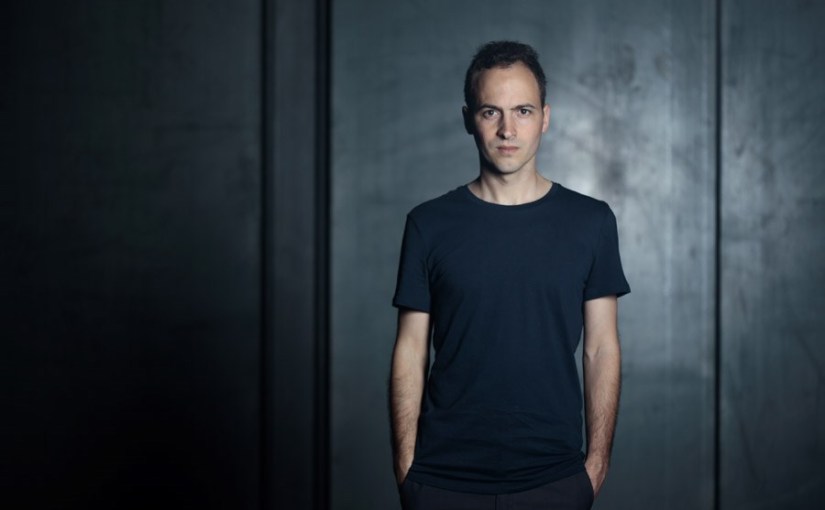
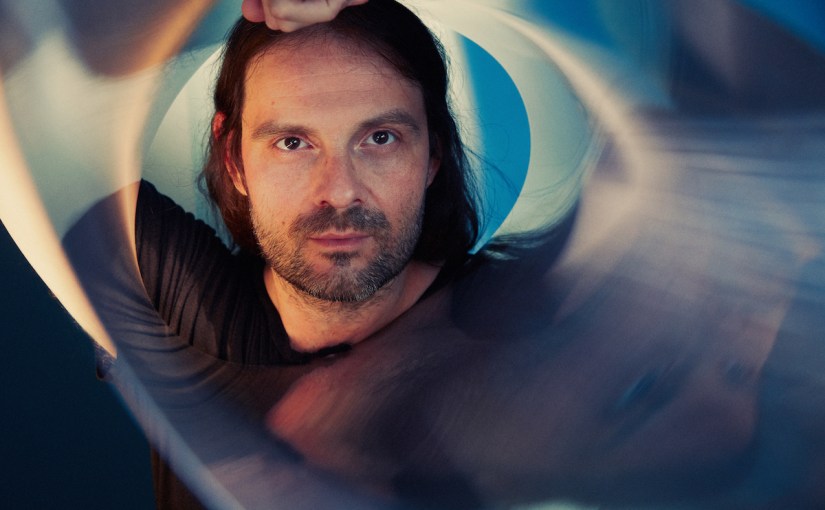
After a bunch of records for Cut Surface, No Rent Records and Umor Rex the Austrian composer Dino Spiluttini releases with „Heaven“ his most anticipated release until now. With „No Horizon“ from last year Spiluttini already evolve his drone / ambient sound a bit further, but with „Heaven“ he reaches a new high.

„Heaven“ is a work of contemporary church music and shows some similarities in style with Tim Hecker‘s „Virgins“ and Loke Rahbek‘s „City of Women“. The work on „Heaven“ started back in 2015 by Spiluttini‘s discovering his mother‘s preperation for death. During a visit to her home in 2015 he was led into the local church and shown the adjacent places she had reserved for their urns. The tracks on „Heaven“ together consist of an analogously personal and anticipatory negotiation with death. The opener „Body at War“ started with a nervous, blustering piano and a church organ, while „Weakened Centurion“ starts with some distortion after the melody fades in. Partly derived from organ recordings made in the same church, the album frequently enlists Arvo Pärt‘s compositional method of tintinnabuli. This time Spiluttini combines it with pads, harps, fluttering organs and swooping choir. This kind of swooping choir you can find on „Touch Isolation“. The intense of „Heaven“ is all around the record. It‘s a highly emotional record with some twists and conflicts. „Heaven“ revolves within dramatic and everchanging vignettes. There is no doubt that „Heaven“ is one of the best ambient / drone records in 2019. Highly recommended!

Rating: 5 out of 5.

Music: Alessandro Cortini – Volume Massimo (Mute Records, 2019)

Italian composer and former Nine Inch Nails member Alessandro Cortini releases with “Volume Massimo” the follow-up to 2017s “Avanti”. It’s his debut on Mute Records. “Volume Massimo”, combines his fondness for melody with the rigour of experimental practice that follows on from 2017’s universally acclaimed album “Avanti”.

With “Volume Massimo” Cortini switches to a more melodic, polished sound compared to his previews works for Hospital Records between 2013-2015. This will be shortly known after the first tracks into it. It starts with the classic synthesizer driven “Amore Amaro”. It set the direction on “Volume Massimo” clearly and Cortini himself described it as following: “The best way to listen to it, is at maximum volume”. In generall the new album sounds very accessible. Unfortunately this leads to an uncommon issue. Besides the album opener “Amore Amaro”, the massive album core track “Batticuore” and the darker toned “Sabbia” there are less outstanding moments on “Volume Massimo”. This does’t mean you can’t enjoy this record, but in the end it isn’t Cortini’s best work until now. But it wasn’t that easy because of his gorgeous predecessors “Sonno”, “Risveglio” and the two track EP, “SPIE”. Therefore tracks like “Passatempo” and “Est” are still Cortini’s best. All of this sounds a bit disappointed if you look at “Volume Massimo”, but if you know him from his live sets there is still a chance that all of it sounds better in front of an audiance.

Rating: 3 out of 5.

Music: Floating Spectrum – A Point Between (Temporary Residence Ltd, 2019)

Berlin based composer and audio technologist, Mei-Fang Liau alias Floating Spectrum debuts on Temporary Residence. The Taiwan-born artists creates their own intimate world. Combined with synthesizers, everyday household objects and unique software loops made by Liau herself, „A Point Between“ truly sounds like a vision.

Originally inspired by a dance performance for which Mei-Lang Liau created the audio works. It was about the recurring cycles of nature, how life emerges, flourishes and eventually decays and metaphorically, how human emotions are associated with these ever-changing phases. That performance builds the roots of „A Point Between“. To create this kind of album Mei-Fang Liau relied on a self-made, fractal-inspired software synthesizer called Polyphylla, which simulats the way in which nature creates very complex and organic forms. „A Point Between“ starts with „The Early Green Outburst“ a surreal minded intro track. This kind of atmosphere was also catched by the second track „Rising Tide, Nourished Soil“, with a bit more space. It sounds like an entry to another world. One of the two album highlights is the immersive „Inner Island“. It sounds like a scream you can‘t ignore when you listening to it. The other one is „Falling Apart On The Dreary Field“ a dreamy, pulsing and intimate track. The lone outliner is „Eruption“, for which Liau build a generative sound system that turns visual data into sound. In this hybrid sound system, sensitively fluctuating analog signals, fine tuned data analysis, and human intuition perform together as one coherent living being. „A Point Between“ is the ability to collect and shape such abstract sonic organisms into richly textured, immersive works of art. Such an uncanny work of emotional depth.

Rating: 4 out of 5.

Music: Luis Fernandes – Demora (Room40, 2019)

With „Demora“ new label assignee Luis Fernandes debuts on the Lawrence English imprint Room40. Demora means „delay“ in Portuguese. Depending on the way you use it on a sentence, it can also mean that something is taking to long or it‘s making someone wait to long for someting. In case of „Demora“ the wait was worth it.

That was all part of the creation process of „Demora“. His intention was to create one piece of music with a constant flow. So, that‘s no wonder that „Demora“ was created in only one take. The flow of the improvisation gave room for Luis to play around with the structure and refine the sounds. Armed with a modular synthesizer the journey starts with the album opener „Rising Edge“, a rough and scratching intro with a long build up melody. It floats perfectly into the second track „Fractured Harmony With Pulse“. It‘s one of the highlights on „Demora“. As the title described Luis Fernandes gambles with a pulsing synthesizer in such a perfect way. It remindes me on the last records from Catarina Barbieri. The middle section of “Demora” takes place by the similar album tracks “Demora Pt.1” and “Demora Pt.2”. While part one creates a completely new structure with it’s slow and glimmering harmonies, part two catches up the melody from the second track and build something new. It’s here that Demora shows how beautifully crafted it is, how the details aren’t just details. The details aren’t there to distract you from the main thing, they are there for you to embrace the core and follow the same flow, the same path, that Luis did. The album closes perfectly with the outro of “Refracted Cloud”. To explore all of the beauty from “Demora” it’s essential to hear it in one take. It sounds like a masterpiece in the class of 2019.

Rating: 5 out of 5.

Music: Christina Vantzou – N4.5 (Kranky, 2019)

Belgium based artist and longtime Kranky member Christina Vantzou released her fourth record “N4” back in 2018 for the famous drone / ambient label (also known for artists like Tim Hecker, Loscil and Stars of the Lid). Vantzou’s music combines classical and ambient elements. Now she also released a reworked version, like her records before.

With her last record Christian Vantzou creates her most ambitious one until know. “N4” is a timeless and wonderful record from start to finish. “N4” took shape across roughly two years, incorporating a diverse array of musical and conceptual collaborators, including fellow Kranky artists Steve Hauschildt and John Also Bennett (of Forma) as well as Angel Deradoorian (ex-Dirty Projectors), Clarice Jensen, Beatrijs De Klerck, and members of Belgium’s Echo Collective. Her signature of smoky dream sequences and texturally rich electro-acoustic shines all the time. Sometimes the listener doesn’t know any transition between the tracks. The records starts with the fading intro of “Glissando for Bodies and Machines”. It’s the perfect first impression of a very harmonious and coherent record. Just “Some Limited and Warning Memories” is an excellent example for that. Is it possible to play a piano more sad and emotional? The created atmosphere here is simply amazing. With the reworked version from Milan W. the behavior is a bit different. It’s a more haunting and pulsing track without leaving their roots. The other reworked versions aren’t very different, but more similar to the album. Until now I do not know any artist that combines classical elements and drones in such a perfect way like Christina Vantzou. That’s very impressive!

Rating: 4 out of 5.

Music: Kelly Moran – Origin EP (Warp, 2019)

One of the most spectacular albums from 2018 comes from Kelly Moran. With „Ultraviolet“ the American composer delivers an unexpected success and her first release on Warp Records. Produced with the help of Daniel Lopatin (Oneohtrix Point Never) Moran creates his most ambitions work until now.

After the two predecessor records „Optimist“ (2016) and „Bloodroot“ (2017), „Ultraviolet“ was the third record by Kelly Moran. Her music spins between genres like classical, electronic, minimalist and jazz. The experimental approach is unmistakable and could be easily compared to other drone / ambient composer like Tim Hecker, Oneohtrix Point Never or Mondkopf. In many of her compositions, Moran utilizes electronic musical techniques in combination with the John Cage-pioneered technique of the prepared piano. For „Ultraviolet“ Moran described it as following: „I am trying to obfuscate exactly what the piano sounds like. The whole point is to make it sound different“. The album delivers a wide, arresting array of stylistic influences, from jazz and dream pop, to classical composition and black metal. To pick an highlight isn’t easy, but „Helix“ shines from start to finish. This year Moran returns with a re-work EP from „Ultraviolet“. Most of the tracks from „Origin“ are well known but they comes in a new form. But three of them are completely new. „Love Birds, Night Birds, Devil-Birds“ are one of them. With the Japanese touch in style it reminds me a bit to Tim Heckers last effort „Anoyo“, an also excellent record from this year. With „Night Music“ she also delivers a very reduced piano track. Very beautiful as a closing track. Finally the EP starts at the point were the album finished. Very impressive!

Rating: 5 out of 5.

Music: Tim Hecker – Anoyo (Kranky, 2019)

Back in May Tim Hecker releases the direct sucessor of 2018s highly recommended “Konoyo”. With “Anoyo” Hecker delivers the seamless follower. Both records are in the same context and were also created in the same record session back in 2017.

After his short term debut “Love Streams” on 4AD back in 2016, Hecker returns with a more fimiliar sound. In comparison “Love Streams” could be recognized as his “mainstream” debut, because it’s the most catchy release from Hecker by now. I wouldn’t say that Hecker goes backards with “Konoyo” / “Anoyo” but it feels more like his older Kranky releases. For me, 2013s “Virgins” is still his untouchable masterpiece because it is unique until today. Because the studio work with „Konoyo“ wasn‘t entiretly finished, he decided to release a second album in form of „Anoyo“. Both records based on traditional Japanese gagaku music in which „Anoyo“ is more experimental and also a bit more natural. It starts with the 9 minute opener „That World“. It’s difficult to discern between the analogue and synthesized, a confusion that Hecker has relished in the past. The big strength of Hecker is it to destroy melodies and simultaneously add complexity. With „Anoyo“ it‘s a bit different and also less noisy. A good example delivery the flawless „Step Away From Konoyo“ with it‘s floating tone. The quality output from Hecker is definetly remarkable and leads to another great ambient / drone record. These albums shouldn‘t compared, but taken in together.

Rating: 4 out of 5.

Travel: Citytrip to Milano (Italy)

The best way to complete this years summer might be a citytrip to Milano, Italy. So why not by the end of August. I do these kind of trips maybe once a year. In the last couple of years Italy explores more and more to my favourite country. First Rome, with it’s extraordinary architecture back in 2017, then Venice with all of the bridges and small rivers last year.

And now, Milano! For me, Rome and Venice are very nice towns. But in perspective of activities or parties there might be better towns in Italy. So Milano is the most famous town if you look at fashion and nightlife. I red some descriptions before and the area of Navigli sounds pretty good.

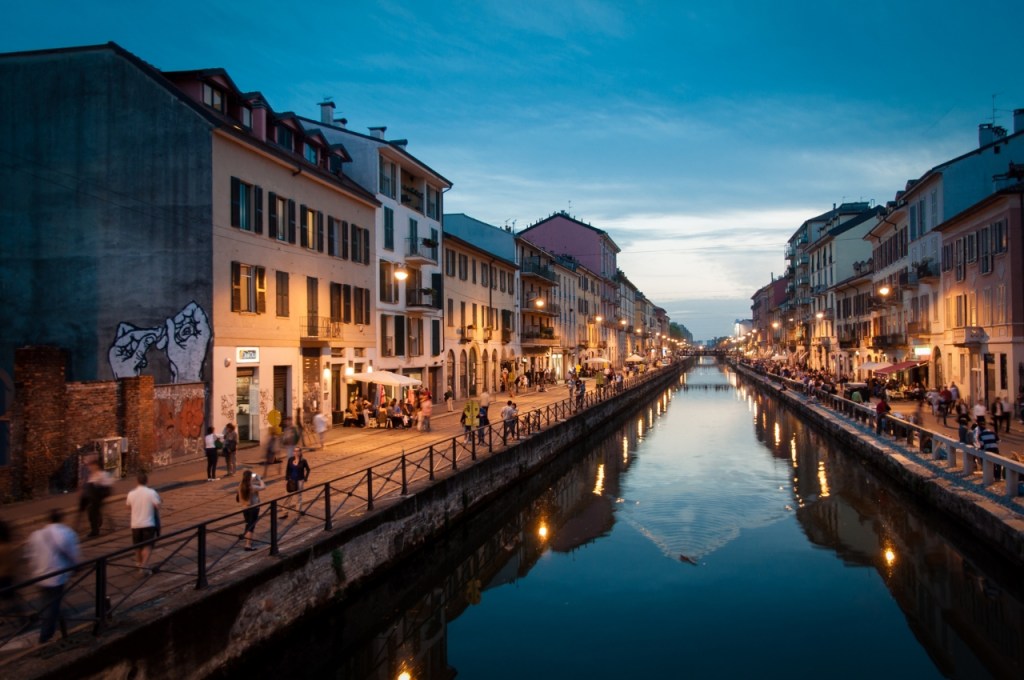
River Navigli

One of the descriptions sounds like that: In Milano the evenings starts with the so called “Passegiata” (mating dance) from the youth. Everyone put’s on there best clothes (bella figura) and transform Navigli to the biggest catwalk of the world. On the weekned the area around Navigli is a great place with all the restaurants and bars. Compared to Germany, it’s totally different. All the people comes together and celebrate the end of the week.

Club Bobino

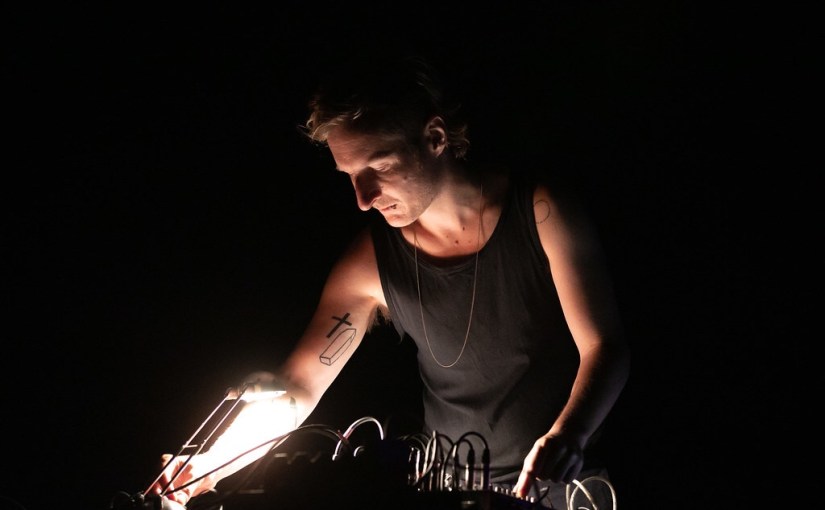
Compared to Roma or Venice it‘s easier to go out at night. There some great venues around Navigli. One of them is the Club Bobino. Just in the summer it‘s a great spot with an awesome outside area. You can do both just relaxing or dancing. But be careful, drinks aren‘t cheap. The lowest price for a drink is 10 €. So I‘m a bit shocked as I ordered two beers. So, preperation is everything. The best option is to enjoy a couple of beers in some of the great bars before you went to the clubs.

Restaurant Rossini

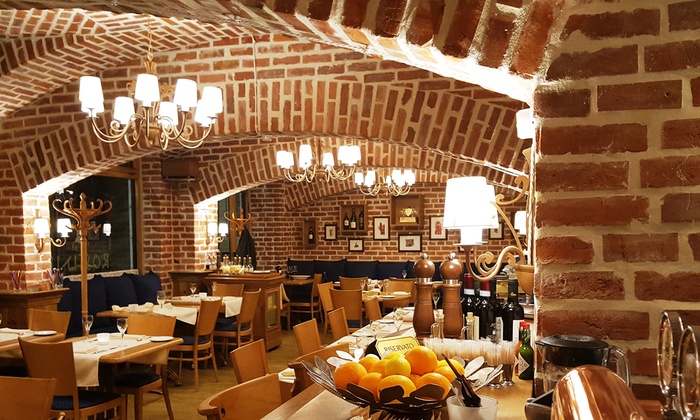
But there aren‘t only bars in Milano. There is no doubt if you are in Italy, Pizza is a no brainer! To find a good restaurant isn‘t that easy if your hotel is a bit outside the center. But if you look a bit deeper in all Google recommendations you will find some pearls. One of them is the restaurant Rossini in the heart of Milano near station Via Torino Via S. Maria Valle. It‘s a bit hidden in a side street. It‘s a beautiful looking restaurant with a great ambiance and. The food is delicious (traditional Italian) and the personal friendly and very attentively.

Galleria Vittorio Emanuele II

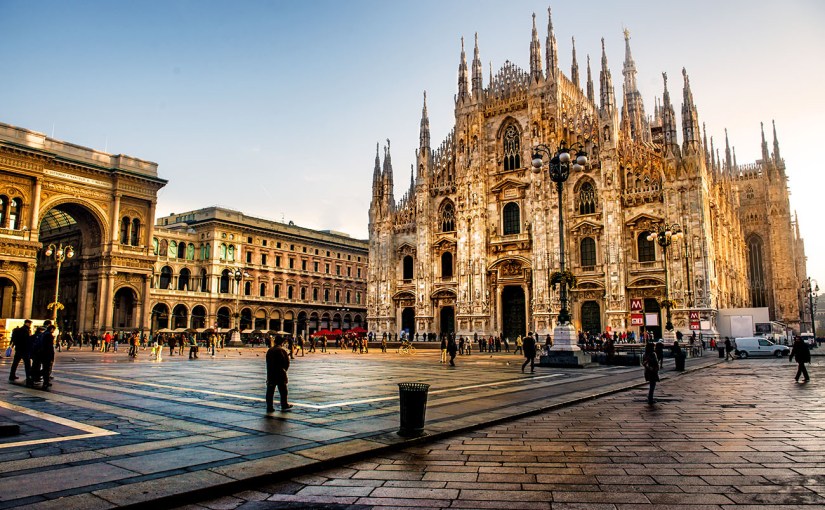
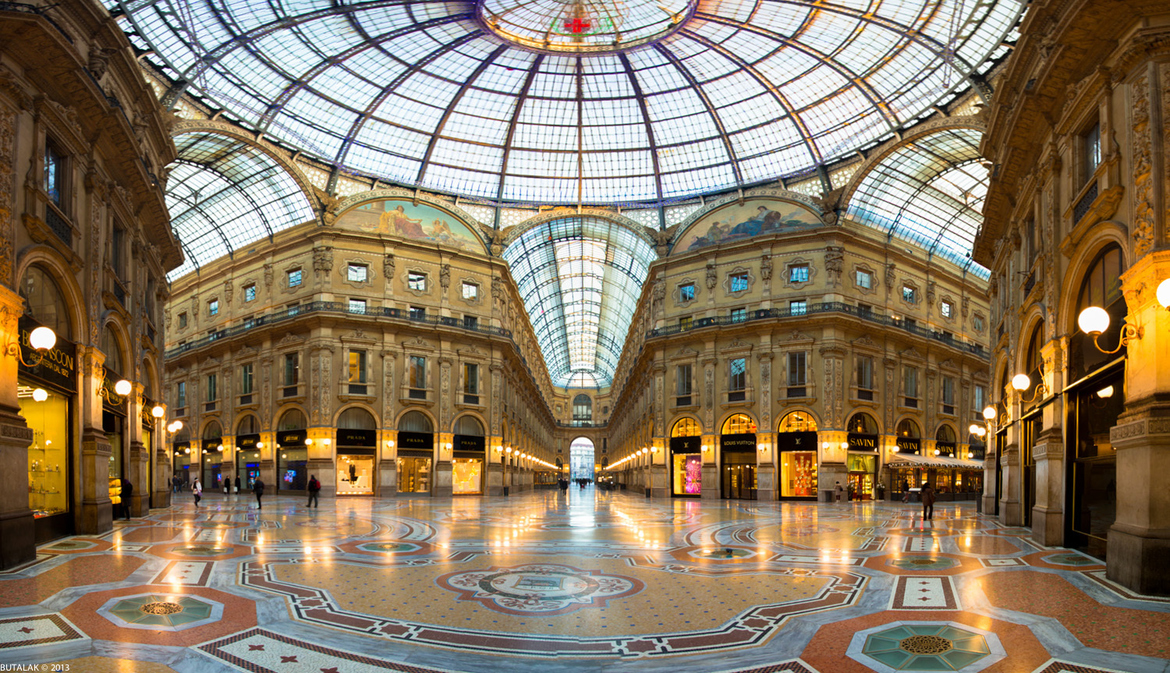
Naturally you can‘t visit Milano without a short city tour. I‘m not a friend of art or architecture but Milano have some great spots to explore. This includes the shopping arcade „Galleria Vittorio Emanuele II“ and the „Cathedral of Milano“. On a great summer day you can explore the city relatively relaxed. And if you are not in the mood of shopping it‘s not difficult to find a cafe or bar to get a drink and observe the environment.

It‘s interesting, there is no matter when I travel to Italy, it‘s everytime a great experience. I just like the Italian mentality. It‘s different, warm and friendly more focused on living and family and less on working and carrier. I like this kind of feeling!

Rating: 4 out of 5.

Music: Caterina Barbieri – Ecstatic Computation (Editions Mego, 2019)

Italian composer Caterina Barbieri returns with her third record after the excellent “Patterns of Consciousness” (2017) and the also great sucessor “Born Again In The Voltage” (2018). With “Ecstatic Computation” she debut’s on Editions Mego (Loke Rahbek, Dino Spiluttini, Klara Lewis).

Back in 2017 Barbieri surprised the audience with a fresh analog / modular syntheziser album on the small Imporant records imprint. There is no doubt that “Patterns of Consciousness” was one of the best records in 2017. Barbieri combines blistering melodies with drone elements such no one can do. One of the best examples is the the epic album closer “Gravity that Binds”. A track that starts very gentle and ends with the highest possible peek in the second half. It’s still one of her greatest efforts until now. With “Born In The Voltage” she creates a much darker less melody oriented record that fit perfectly as a counterpart. Her third record “Ecstatic Computation” follows more her musically roots. Album opener “Fantas” shows very good in which direction this journey will go. Barbieri plays excellent with the main elements of the track and only tune very subtle here and there until the track switches to another perfect melody in the second part of the track. Another example is the album closer “Bow Of Perception” that starts with individual synthie sounds first and let them run into emptiness only to pick them up later for a very fine tune. The main part of the record isn’t much less excited but these two tracks are definitely outstanding. Barbieri is also a great live act. I was already convinced of that parformance back in March at Resonanzraum (Bunker, Feldstraße Hamburg).

Rating: 4 out of 5.

Music: Mondkopf – Time Will Left This World Today (Split Music, 2019)

Paul Régimbeau alias Mondkopf returns with it‘s predecessor records after his excellent 2016 effort „They Fall But You Don‘t“. From the development perspective it was similar to William Basinski’s „The Disintegration Loops“ because both of them has a tragic background story. In case of Mondkopf it’s about the Paris attack back in 2015.

There is no doubt that „They Fall But You Don‘t“ was by far one of the best ambient / drone records in 2016. So the expection about the follow-up could‘t get any higher. Back in April Régimbeau releases the official follow up record „How Deep Is Our Love“ a perfect 4 piece drone record. It closes the gap between the last and the new one seamlessly. One of the best example for me is the second track „Growing“. It provides a similar tone like „The Fall But You Don‘t“ in atmosphere and intensity. From this perspective it‘s more like a traditional drone record compared to the new EP „Time Will Left This World Today“. This can be recognized in track structure and length. The EP will work something different. But not in a bad way, it‘s surprisingly good. In kind of darkness it reminds me at The Haxan Cloak or Vessel. One of the best example is the massive „Rise Of The People“. It could be easily on Vessel’s 2014 excellent „Punish, Honey“. If you look a bit deeper in the history of Paul Régimbeau discography it might be less unexpected. He started his carrer as a producer and DJ so he is very fimilar with electronic music. For me both releases are totally great because of their differences and the own identity of each other.

Rating: 4 out of 5.